What Is a Benefit Auction - And How is it Different from a Regular Auction?
A fundraising event, often held as a gala or dinner, that uses auction elements to encourage giving. Unlike traditional auctions, it blends entertainment, community engagement and mission-driven appeals to boost results.
WHAT DOES A BENEFIT AUCTION NEED TO SUCCEED?
A COMPELLING CAUSE
A mission that resonates emotionally and inspires giving
DEDICATED PLANNING TEAM
Committed volunteers to coordinate all aspects
ENGAGED DONOR BASE
Loyal supporters willing to attend and contribute
What Are the Three Phases of a Benefit Auction?
What Happens in the 6-12 Months Before a Benefit Auction?
Cultivate major donors for leadership gifts
Procure auction items and prizes
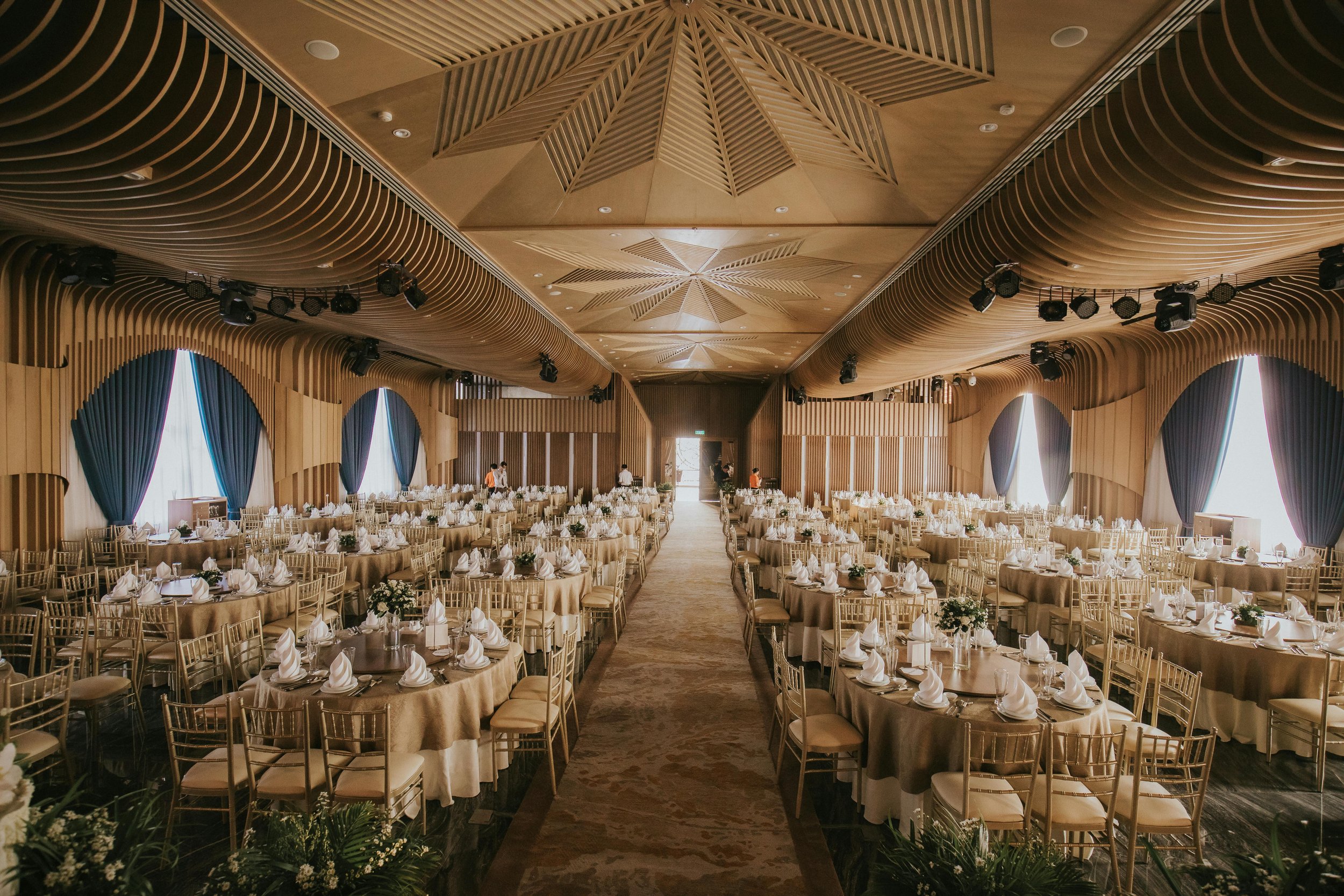
Secure venue, catering and logistics
Promote event and manage registration
Set up auction software and operational systems
What Does a Professionally Managed Benefit Auction Look Like?
Social Hour (60-90 min): Check-in, silent auction, revenue games, networking
Main Program (30-60 min): Dinner, opening game, live auction, Fund-a-Need with inspirational moment
Post-Program: Recognition, entertainment, checkout
Key success factor: Well-scripted program with seamless transitions and sustained energy.
What Should Nonprofits Do After a Benefit Auction?
Process payments and distribute items
Send thank-you’s and tax documentation
Debrief and identify improvements
Begin planning for next year
What Are the Seven Revenue Streams at a Benefit Auction?
1. Ticket Sales Attendance fees offset costs and ensure commitment.
2. Revenue Games Interactive games (wine pulls, heads/tails, raffles) generate revenue and energy while engaging non-bidders.
3. Silent Auction 20-25 lower-to-mid value items displayed during the social hour. Modern software extends bidding before the event.
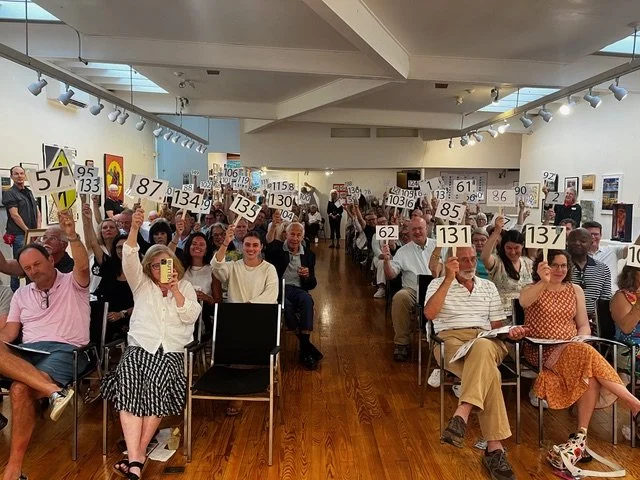
4. Live Auction 5-10 premium items presented by a professional auctioneer. High-energy segment prioritizing mission support over item value, with competitive bidding often exceeding fair market value.
5. Fund-a-Need/Paddle Raise Often the highest revenue generator. Following an inspirational video, attendees give at descending levels ($10,000 → $5,000 → $2,500 → $1,000 → $500 → $250 → $100), ensuring everyone can contribute within their means.
6. Sponsorships Direct financial contributions, in-kind donations (venue, catering, beverages), and recognition opportunities.
7. Item Donations Donated auction items and prizes create revenue without cash outlay. Strategic procurement of unique items maximizes bidding.